Reviewing the Fruits Embroidery Design for Real Projects
As a designer who has spent countless hours staring at digitizing software and even more time watching needles pierce fabric, I have learned that not every machine embroidery design is created equal. Some look stunning on a screen but turn into a tangled mess of thread breaks and puckering on actual cloth. When I first opened the file for the Fruits Embroidery Design, my initial reaction was one of cautious optimism. The preview promised a fresh and playful touch, which is exactly what many of my clients are asking for right now. But does it hold up under the needle? After testing it on several different substrates, I am ready to share my practical assessment for fellow crafters, Etsy sellers, and apparel decorators.
First Impressions and Visual Personality
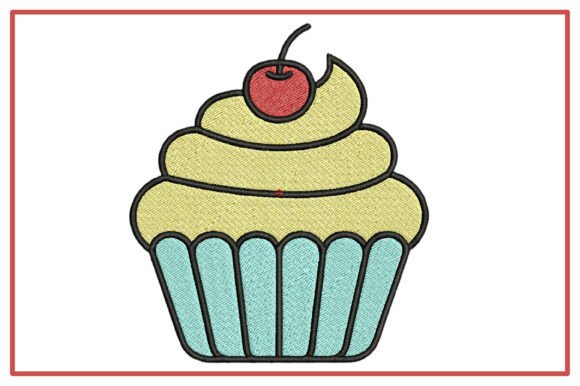
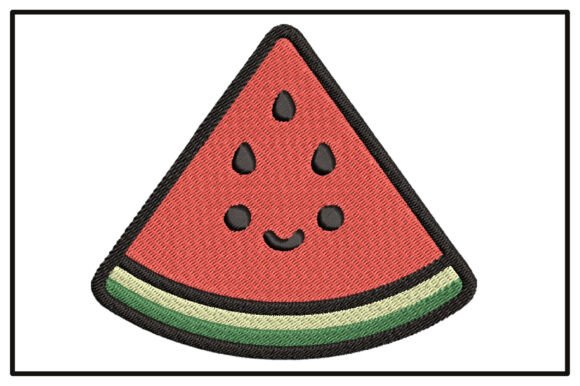
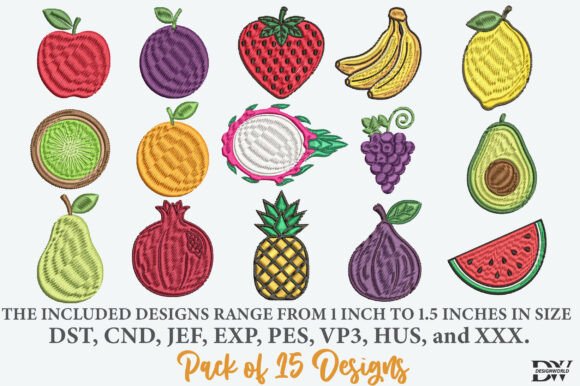
The immediate mood this design creates is cheerful and approachable. It avoids the overly complex shading that often plagues modern digitizing, opting instead for charming fruit-inspired elements with vibrant and artistic details. This simplicity is a strength. In the world of Embroidery, clarity is king. If a design is too dense or intricate, it loses its impact from a distance. This pattern strikes a balance between detail and readability. The shapes are distinct, making them ideal for projects where you want instant recognition without visual clutter.
For those of us in the Food category of design assets, finding patterns that do not look cartoonish or cheap can be difficult. This design manages to feel artistic rather than generic. It feels like something you would see in a boutique café or on high-end kitchen linens, rather than a mass-produced souvenir. This distinction is crucial for brand consistency if you are running a small shop product line or creating custom apparel for a client who values aesthetics.
Real-World Application: The Tote Bag Test
To truly evaluate an embroidery file, you must put it to work. I decided to use this design for a custom embroidered tote bag, a staple item for many handmade product sellers. I chose a medium-weight canvas fabric, which is forgiving but shows tension issues clearly. I paired the design with bright, saturated thread colors to match the vibrant nature of the fruits. The result was impressive. The satin stitch borders held their shape well, and the fill stitch areas provided enough coverage to make the colors pop against the natural canvas.
This success translates directly to other popular items. Imagine this design on a sweatshirt embroidery project for a local juice bar or as a personalized gift for a friend who loves cooking. The playful vibe fits perfectly with casual wear and home goods. For Etsy sellers, this versatility is a major selling point. You can market it as part of a summer collection, a back-to-school set, or even holiday embroidery for Thanksgiving centerpieces. The design assets are flexible enough to support multiple marketing angles without feeling forced.
Considerations for Different Fabrics and Hoops
While the design performed beautifully on canvas, I encountered some challenges when moving to trickier materials. On stretchy fabrics like jersey knits, commonly used for t-shirts and baby clothes, the stitch density became a concern. Without a proper cut-away stabilizer, the fabric began to pucker slightly around the denser fruit sections. This is a common issue with any filled design, but it serves as a reminder to always test your tension and stabilizer choice.
If you are planning to use this on a cap or hat, be mindful of the curved surface. The design’s width needs to fit comfortably within the standard cap hoop without distorting the shape. I recommend checking the exact dimensions of the hoop size variants included in the download. For smaller items like baby embroidery on onesies, ensure you select the smallest available size variant to maintain proportion. A massive fruit cluster on a tiny infant garment can look overwhelming and feel stiff against sensitive skin.
Dark fabrics present another challenge. Since the design relies on vibrant details, using it on black or navy requires careful thread color selection. I found that adding a light underlay or choosing threads with a slight sheen helped the colors stand out. Always test your thread colors on scrap fabric first. What looks good on your monitor might disappear into a dark textile if the contrast isn't high enough.
Commercial Viability and Professional Finish
For commercial embroidery projects, the finish of the backside is just as important as the front. Excessive jump stitches or loose threads can undermine customer trust. Upon inspecting the back of my test piece, I noticed the digitizing was relatively clean, with minimal long jumps between elements. This reduces trimming time, which is vital for small business owners who need to keep production costs low. A clean finish enhances the perceived value of the handmade product, making it easier to justify a higher price point.
When creating printable mockups or digital product previews for your online store, this design photographs well. The clear lines and bright colors translate effectively into 2D images, helping potential buyers visualize the final product. Whether you are selling the finished item or offering it as a service, the professional appearance of the stitched result speaks volumes about your skill and attention to detail.
Practical Designer Notes
Before you commit to a large batch of products, keep these practical tips in mind:
- Test on Scrap Fabric: Never run a new design on your final product first. Use a similar weight and texture of scrap material to check for puckering or thread breaks.
- Check Stitch Density: If your machine struggles with dense areas, consider using a lighter weight thread or adjusting the tension settings.
- Verify Licensing: Always confirm the license terms before selling finished items. Most designers allow commercial use of finished physical products, but restrictions may apply to digital resale.
- Contrast is Key: Ensure your thread colors contrast sufficiently with your fabric, especially for detailed corners and small elements.
- Stabilizer Choice: Use tear-away stabilizer for stable woven fabrics and cut-away for stretchy knits to prevent distortion.
In conclusion, the Fruits Embroidery Design is a solid addition to any designer’s library. It offers a blend of artistic charm and practical usability that works well for a variety of applications, from kitchen towels to custom apparel. While it requires standard care regarding fabric choice and stabilization, its visual appeal and stitching clarity make it a reliable choice for both hobbyists and professional makers. By understanding its strengths and limitations, you can leverage this design to create engaging, high-quality products that resonate with your customers.