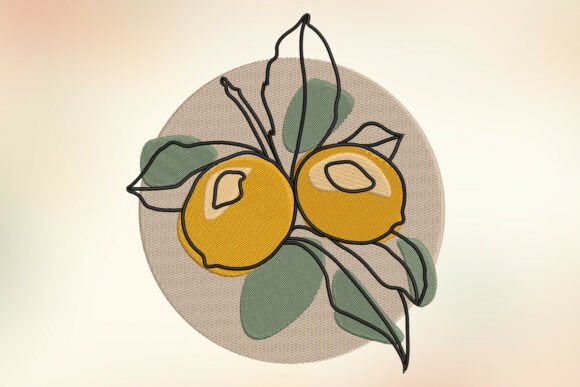
Review: Sweet Cupcake Cherry Embroidery Design
As an embroidery designer who has spent years digitizing files for boutique brands and local businesses, I approach every new machine embroidery design with a critical eye. It is not just about whether a pattern looks cute on a screen; it is about how it performs under the needle, how it holds up after washing, and most importantly, how it serves the brand identity of the client using it. Recently, I had the opportunity to evaluate the Sweet Cupcake Cherry Embroidery Design, a whimsical bakery dessert file that promises to sweeten creative projects. For small business owners, Etsy sellers, and merch creators, this review breaks down the practical viability of this asset for commercial use.
First Impressions and Visual Personality
The initial visual impact of the Sweet Cupcake Cherry Embroidery Design is undeniably friendly and playful. In the world of food-themed Embroidery, there is a fine line between charming and childish. This design leans heavily into a whimsical aesthetic, featuring a classic cupcake topped with a bright cherry. The lines appear clean, suggesting a modern yet handmade feel that resonates well with current trends in cottagecore and artisanal branding.
For a bakery, a children’s boutique, or a creative studio, this visual personality is a strong asset. It communicates warmth and approachability. However, for high-end luxury brands, the playful nature might need to be balanced with sophisticated thread choices. The design does not scream "rustic" or "elegant" in a traditional sense; rather, it feels decorative and joyful. This makes it an excellent candidate for businesses that want to project a welcoming, community-focused image.
Real-World Applications for Small Business Merch
When considering small business merch, versatility is key. I evaluated how this digital embroidery file would perform across various common merchandise items. Here is where this design truly shines:
- Apron Embroidery: For local bakeries or coffee shops, placing this design on the chest pocket of staff aprons creates an instant uniform identifier that is far more engaging than a plain text logo. It adds a layer of professionalism while maintaining a fun atmosphere.
- Embroidered Patches: This is perhaps the strongest use case. The self-contained nature of the cupcake shape makes it ideal for iron-on or sew-on patches. These can be sold as standalone products or used to brand tote bags and denim jackets without committing to permanent embroidery on the garment itself.
- Tote Bag Design: Canvas totes are a staple for craft fairs and retail shops. The bold shapes of the cupcake and cherry provide good coverage on textured fabric, making the finished product visually striking from a distance.
- Cap Embroidery: While possible, this requires careful placement. On a curved cap front, the width of the cupcake base needs to be checked against the hoop constraints to ensure no distortion occurs during stitching.
Using this design for customer gifts, such as branded cookies bags or event merch, can significantly boost buyer engagement. It transforms a simple transaction into a memorable brand experience.
Technical Considerations and Production Notes
While the aesthetic is appealing, any professional embroiderer knows that technical execution determines the quality of the commercial embroidery project. Before running this design on a production machine, there are several critical factors to address.
First, consider the stitch density. Whimsical designs often rely on satin stitches for smooth frosting textures. If the density is too high, the fabric may pucker, especially on lighter materials like cotton tees. Conversely, if the density is too low, the underlying fabric might show through, ruining the premium look. I recommend testing the design on a scrap piece of the actual fabric you intend to use. Pay close attention to the thread colors; the contrast between the frosting, the cake base, and the cherry must be sharp to maintain definition.
Second, evaluate the hoop size requirements. Although specific dimensions are not provided in the brief description, you must confirm that the design fits within your standard hoops without excessive resizing, which can alter stitch angles and cause thread breaks. Always use the appropriate stabilizer—a cut-away stabilizer is often best for garments that will undergo frequent washing, ensuring the design remains stable and does not distort over time.
Third, be cautious with small details. The cherry stem and any tiny decorative elements may not hold up well if the design is scaled down too much for a small patch or a sleeve detail. Test it in black and white first to see if the shapes remain distinct without the aid of color contrast. If the details merge, the design may need simplification or a larger application size.
Impact on Brand Identity and Customer Trust
Consistency in design assets is crucial for building brand recognition. The Sweet Cupcake Cherry Embroidery Design can serve as a secondary brand mark or a seasonal accent. When used consistently across custom apparel, packaging accents, and social media printable mockup images, it reinforces a cohesive visual story.
For handmade product sellers, adding embroidered details elevates the perceived value of the item. A plain tote bag becomes a curated accessory; a standard work shirt becomes a uniform. This attention to detail builds customer trust, signaling that the business cares about quality and presentation. However, ensure that the playful nature of the cupcake aligns with your overall brand voice. If your brand is strictly minimalist or industrial, this whimsical Food motif might create visual dissonance.
Final Verdict and Licensing Checks
The Sweet Cupcake Cherry Embroidery Design is a strong contender for businesses in the bakery, café, pet brand, or creative education sectors. It offers a blend of professionalism and playfulness that appeals to a broad audience. Its strength lies in its adaptability for patches and apparel accents, provided that technical precautions regarding density and sizing are taken.
Before integrating this into your product line, always verify the commercial licensing terms associated with the embroidery file. Ensure that the license covers the volume of production you intend to undertake. Additionally, check the included file formats to guarantee compatibility with your specific embroidery machine software. By treating this design as a strategic business asset rather than just a decorative element, you can maximize its return on investment and enhance your brand’s visual appeal.
Remember to create a mockup for client approval if you are producing on behalf of another business. Comparing the stitched sample beside other brand identity elements will help you decide if this whimsical touch is the right fit for your next collection. With proper testing and strategic placement, this design can sweeten your merchandise lineup effectively.