Tenderness Machine Embroidery Design Review
As a designer who has spent years navigating the fine line between digital files and physical stitched goods, I approach every new machine embroidery design with a critical eye. The market is flooded with assets that look perfect on a screen but fall apart under the needle. When I first opened the file for Tenderness Machine Embroidery Design, I was looking for that elusive balance of simplicity and emotional resonance. This piece promises to be a romantic and simple embroidery design, which sounds ideal for creating special embroidered gifts for your loved ones. But does it hold up when you move from the preview window to the hoop?
The First Impression: Mood and Visual Weight
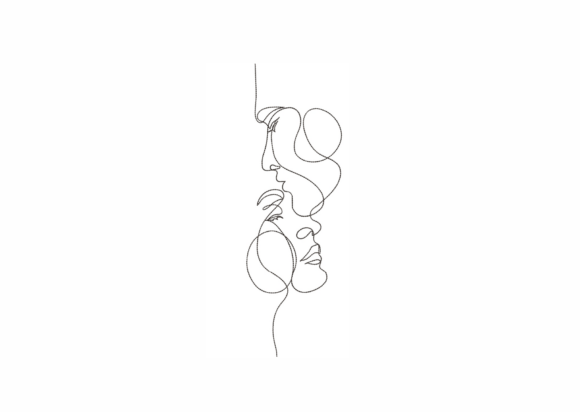
The moment I loaded Tenderness Machine Embroidery Design into my digitizing software, the aesthetic intent became clear. It avoids the clutter often found in holiday-themed assets. Instead, it relies on clean lines and a gentle composition that feels timeless rather than trendy. For a project focused on Valentine S Day or general affection, the visual personality is crucial. You don't want a design that screams; you want one that whispers.
In terms of layout, the design feels balanced without being rigid. The use of what appears to be a mix of satin stitch for outlines and delicate fill stitch for shading creates a soft texture that translates well to fabric. Unlike heavy, dense designs that can pucker thin materials, this one seems engineered with airflow in mind. The stitch density looks moderate, suggesting it will lay flat on most substrates without requiring excessive stabilizer. This is a significant advantage for anyone making custom apparel where comfort matters as much as style.
A Real-World Test: The Custom Tote Bag Scenario
To truly evaluate an asset, I like to imagine a specific use case. Let's say I am preparing a run of canvas tote bags for a small boutique shop. These bags are meant to be durable, everyday items that also serve as personalized gifts. I visualize placing Tenderness Machine Embroidery Design on the front pocket of a natural-colored cotton tote.
In this scenario, the simplicity of the design becomes its greatest strength. On a textured fabric like canvas, overly intricate details can get lost or cause thread breaks. However, the bold yet gentle curves of Tenderness would stand out clearly against the weave of the fabric. If I were using a contrasting thread color, perhaps a deep burgundy or a soft blush pink, the thread colors would pop without overwhelming the bag's structure.
I can see customers picking up these bags at a craft fair or browsing an Etsy listing. They aren't just buying a bag; they are buying a sentiment. The design elevates a basic utility item into a thoughtful handmade product. Because the motif is not too large, it leaves room for personalization, such as adding a name or a date below the main graphic. This flexibility makes it a versatile asset for small business owners who need to offer customization options without re-digitizing the entire artwork.
Navigating Fabric Challenges and Placement
While Tenderness Machine Embroidery Design appears robust, experienced decorators know that context is everything. There are situations where even a well-made design requires careful handling. If you plan to use this on stretchy fabrics like jersey knit for a sweatshirt embroidery project, you must be mindful of the tension. The movement of the fabric during stitching can distort the shape if the wrong stabilizer isn't used. A cut-away stabilizer would likely be necessary here to maintain the integrity of the design over time.
Similarly, working with dark fabrics presents a different challenge. Since the description notes this is a simple design, it might rely heavily on the contrast between the thread and the background. On black or navy fabric, you may need to add a layer of white underlay or consider how the running stitch elements appear against the darkness. Always test the design on scrap fabric first to ensure the stitch density provides enough coverage without showing the background fabric through the gaps.
For curved surfaces like caps or hats, the geometry of Tenderness Machine Embroidery Design needs to be considered. While the design is relatively compact, complex curves on a cap panel can sometimes lead to registration issues. If you are planning to create an embroidered patch version of this design to sew onto denim jackets or backpacks, ensure the edge finishing is accounted for in your workflow. Patches require a slightly different approach to density to prevent fraying once the backing is removed.
Technical Considerations for Professional Results
Before committing to a full production run, there are practical steps every professional should take. First, confirm the available hoop size. Even though the design is described as simple, you need to verify it fits within your standard hoops without resizing, which can alter the aspect ratio and ruin the proportions. The product mentions it comes with multiple embroidery file formats, which is excellent for compatibility across different machines, but always double-check that your specific machine reads the file correctly.
Another critical step is reviewing the design in black and white mockups. Sometimes, color hides flaws in the digitizing. By stripping away the hue, you can better inspect the flow of the stitches and ensure there are no long jumps or unnecessary trims that could leave loose threads on the finished product. This attention to detail is what separates a hobbyist from a pro and builds customer trust.
If you are selling these items commercially, whether as commercial embroidery services or finished goods, you must confirm the licensing terms. Just because a design is beautiful doesn't mean it is free for commercial use. Ensure you have the right to sell items made with Tenderness Machine Embroidery Design before listing them on your shop. For those selling digital product sellers or design assets, understanding the boundaries of usage is essential to avoid legal headaches.
Final Verdict on Value and Application
Tenderness Machine Embroidery Design delivers exactly what it promises: a romantic, simple aesthetic that works beautifully for intimate projects. It is not a flashy, high-stitch-count masterpiece, but rather a refined tool for creators who value subtlety and quality. Whether you are decorating baby clothes for a nursery, creating holiday gifts, or stocking a boutique with Valentine's merchandise, this design offers a reliable foundation.
The true value lies in its adaptability. It respects the fabric texture it is placed upon and allows the craftsmanship to shine through. For the Etsy seller or the independent maker, having a design that consistently produces high-quality results reduces waste and increases efficiency. It encourages you to focus on the presentation—the packaging, the story, and the connection with the buyer—rather than troubleshooting technical failures.
In the world of Embroidery, where the difference between success and failure often comes down to millimeters of thread placement, Tenderness Machine Embroidery Design stands out as a thoughtful choice. It invites you to create something meaningful, something that feels personal and crafted with care. If you are looking for a design that enhances your brand consistency and delivers a polished look for your clients, this is definitely worth adding to your library of design assets. Just remember to test, stabilize, and enjoy the process of bringing this tender sentiment to life.