Stay Cool Melting Ice Cream Embroidery Review
As a designer who spends countless hours at the machine, I know that finding a machine embroidery design that translates well from screen to fabric is half the battle. When I first opened the file for the Stay Cool Melting Ice Cream Embroidery, I was looking for more than just a cute summer motif. I needed a versatile asset that could hold up under the scrutiny of a craft business owner or an Etsy seller creating high-end handmade products. The premise is simple: a melting ice cream cone meant to beat the heat. But in the world of embroidery, simplicity often hides complex stitching challenges.
First Impressions and Visual Personality
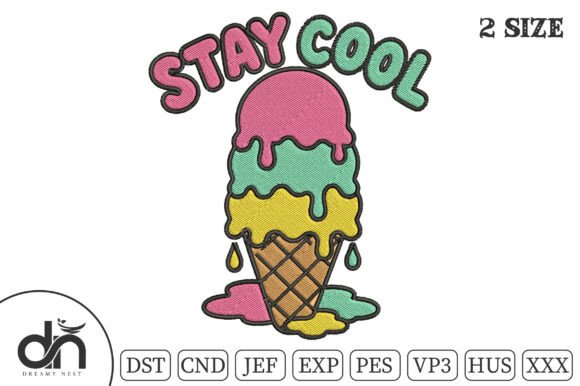
The initial view of the Stay Cool Melting Ice Cream Embroidery design is undeniably refreshing. It captures that specific moment when a sweet treat starts to drip, evoking a sense of playful urgency perfect for Summer collections. The layout feels balanced, avoiding the common pitfall of being too top-heavy with the scoop while neglecting the cone. Visually, it has a distinct personality that leans toward whimsical and vibrant rather than minimalist.
For a small shop product line, this kind of visual energy is crucial. It immediately communicates a mood. However, as I zoomed in on the digital preview, I started evaluating the stitch types. The design relies heavily on fill stitch for the creamy textures and satin stitch for the drips and outlines. This combination is classic, but it requires careful thread color selection to prevent the "muddy" look that can happen when light pastel threads are stitched over dark backgrounds without proper underlay.
Testing the Design in Real-World Scenarios
To truly judge the value of this digital embroidery file, I imagined three specific use cases where the Stay Cool Melting Ice Cream Embroidery would be deployed. First, I pictured it on a canvas tote bag. Tote bags are a staple for custom apparel sellers because they offer a flat, stable surface. Here, the design shines. The melting drips would add a nice tactile dimension, making the bag feel unique compared to standard screen-printed options. The size seems appropriate for a central placement on a 5x7 inch hoop, ensuring the details remain crisp without overwhelming the bag's surface area.
Next, I considered sweatshirt embroidery. This is where things get interesting. Placing a colorful, melting ice cream design on a heavy cotton fleece sweatshirt creates a fun contrast between the cozy garment and the cool, summery theme. It works perfectly as a statement piece for streetwear brands or boutique clothing lines. However, the texture of the fleece means you must use a cut-away stabilizer to support the weight of the stitches. If the stitch density is too high in the dripping areas, the fabric might pucker, ruining the professional finish of the finished product.
Finally, I looked at its potential for baby embroidery. A onesie or a bib featuring this design could be adorable for a summer baby shower gift. The rounded shapes of the ice cream scoops are naturally soft, which suits children's items well. Yet, safety and comfort are paramount. I would need to ensure there are no sharp points in the digitizing that could irritate sensitive skin and that the thread colors are non-toxic and colorfast for frequent washing.
Navigating Fabric Challenges and Technical Nuances
While the Stay Cool Melting Ice Cream Embroidery looks great on paper, experienced designers know that fabric choice dictates success. On thin fabrics like linen or lightweight cotton, the density of the fill stitches could cause shadowing or distortion. In these cases, using a tear-away stabilizer and perhaps reducing the stitch count slightly might be necessary to maintain drape. Conversely, on textured fabrics like denim or canvas, the design stands out beautifully, but you must check the registration of the satin stitches to ensure they don't sink into the weave unevenly.
Curved surfaces present another hurdle. If you plan to use this design for a cap or hat, the curvature of the brim or the crown can distort the straight lines of the melting drips. You may need to adjust the hoop tension significantly or opt for a specialized cap frame. Additionally, if you are working with dark fabrics, the design will require a solid white underlay to make the pastel colors pop. Without this, the vibrant intent of the machine embroidery design will be lost, resulting in a dull, grayish appearance that fails to meet customer expectations.
Practical Designer Notes for Implementation
Before committing to a batch production run or selling a personalized gift, I always recommend running a test stitch on scrap fabric that matches your final material. Check the thread colors against the actual lighting conditions of your workspace; what looks bright blue on a monitor might appear teal on thread. Inspect the small details, particularly where the drips meet the cone, to ensure there are no gaps or excessive jump stitches that could snag.
Also, verify the licensing terms. As a creative entrepreneur, understanding whether this embroidery file allows for commercial use is critical. If you plan to sell the physical items, such as an embroidered patch or a tote bag design, ensure you have the right to do so. Some designs are restricted to personal use only. Furthermore, consider how the design fits into your broader brand consistency. Does the playful nature of the ice cream align with your other design assets? For a cohesive craft business, every item should feel like part of the same family.
Final Verdict on Commercial Viability
The Stay Cool Melting Ice Cream Embroidery is a strong contender for seasonal collections. Its ability to evoke a specific feeling makes it highly marketable for holiday gifts, summer boutiques, and event merchandise. It adds immediate value to a plain garment, transforming it into a conversation starter. For the Etsy seller or small shop owner, this design offers a chance to create something that feels both trendy and timeless.
However, its success relies entirely on execution. Pay attention to your hoop size, choose the right stabilizer, and test thoroughly. If you take the time to respect the technical requirements of the digitizing, the result will be a vibrant, durable, and delightful addition to any wardrobe or home decor. Whether it ends up on a kitchen towel, a pillow cover, or a stylish hoodie, this design has the potential to bring a smile to your customers' faces, provided you handle the stitching with the care it deserves.