Sleepy Pajama Bunny Embroidery Art Review
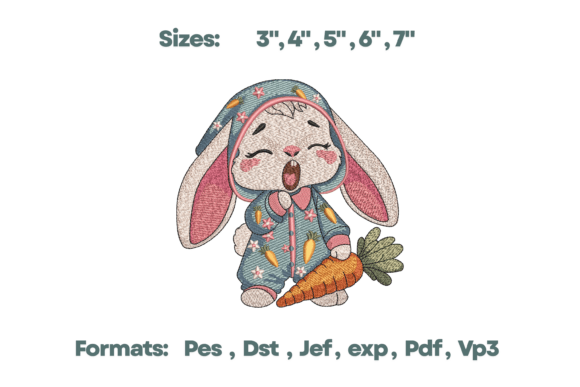
As a professional embroidery designer who has spent years refining small business merch and creating custom apparel for boutique brands, I approach every new digital file with a critical eye. The market is flooded with generic patterns, but finding a design that balances charm with commercial viability is rare. Today, I am reviewing the Sleepy Pajama Bunny Embroidery Art. This design promises to add a touch of bedtime magic to seasonal projects, featuring a precious bunny ready for a nap after a long day of Easter egg hunting. But does this whimsical concept translate into a profitable asset for your brand? Let's dive into the practical application of this machine embroidery design.
First Impressions: Visual Personality and Brand Fit
When I first loaded the preview of Sleepy Pajama Bunny Embroidery Art, the immediate feeling was one of warmth and approachability. In the world of branding, where logos often lean towards the sleek or aggressive, a design like this offers a soft counterpoint. It feels handmade, friendly, and distinctly playful without being childish. For businesses operating in the pet industry, children's boutiques, bakeries, or cozy cafés, this visual personality is gold. It suggests comfort and care, which are essential traits for building customer trust.
However, the "cute" factor must be managed carefully. If you are selling high-end corporate uniforms, this design might feel out of place. Instead, its true strength lies in seasonal promotions, limited-edition drops, or as a secondary accent on workwear. The heartwarming nature of the bunny creates an emotional connection, making it an excellent candidate for customer gifts or event merchandise where you want to leave a lasting, positive impression.
Evaluating Real-World Business Applications
The versatility of Sleepy Pajama Bunny Embroidery Art extends far beyond simple decoration. Here is how I see this embroidery file performing across various commercial applications:
- Embroidered Patches: This is arguably the strongest use case. Converting the design into a woven or embroidered patch allows you to apply it to denim jackets, tote bags, or backpacks without worrying about fabric distortion. A patch version can serve as a collectible item for loyal customers or a fun addition to staff uniforms during the Easter season.
- Apron Embroidery: For a local bakery or florist, placing this design on the chest pocket or upper back of an apron adds a delightful seasonal flair. It transforms a functional garment into a branded piece that tells a story.
- Cap Embroidery: While caps have limitations regarding size, the silhouette of the bunny works well on the front panel of a baseball cap. It serves as a subtle nod to the season rather than a loud advertisement.
- Tote Bag Design: Reusable shopping bags are prime real estate for small businesses. Placing Sleepy Pajama Bunny Embroidery Art on a canvas tote bag elevates the perceived value of the bag, turning a free giveaway into a desirable accessory that people actually want to carry.
- Product Packaging Accents: Imagine a small gift box or a premium product label featuring this motif. Even if not fully embroidered, using the design assets for printed labels on handmade products reinforces the brand identity of quality and attention to detail.
Technical Considerations for Production
While the aesthetic appeal is strong, a professional designer knows that execution is everything. Before committing to a bulk run of custom apparel, you must address several technical factors to ensure the finished product looks professional.
Stitch Density and Fabric Texture
One of the first things I check in any machine embroidery design is the stitch density. Designs with high detail, like the texture of pajamas or the fur of a bunny, can become dense quickly. If the density is too high, the design may pucker the fabric, especially on thinner materials like t-shirts or light cotton aprons. You will need to test the design on a scrap piece of your actual fabric to ensure it lays flat. Additionally, textured fabrics like fleece or heavy denim require different stabilizer choices to prevent the stitches from sinking in.
Hoop Size and Scaling
Always confirm the hoop size requirements before purchasing the digital embroidery file. Sleepy Pajama Bunny Embroidery Art needs enough room to breathe; shrinking it too much for a tiny sleeve detail or a small cap front can result in lost details and thread breakage. If the design is intended for a small patch, verify that the outlines remain crisp at reduced scales. If the file does not specify the recommended minimum size, create a printable mockup at 50% scale to visually assess if the features remain recognizable.
Thread Colors and Contrast
The success of this design relies heavily on thread color contrast. On dark uniforms, the light colors of the bunny and pajamas will pop beautifully, but you must ensure the underlay stitches are sufficient to block the dark fabric from showing through. Conversely, on light-colored items, pastel thread colors might blend in too much unless outlined effectively. Always review the color palette against your specific brand guidelines to maintain visual consistency.
Strategic Use Cases and Limitations
To maximize the return on investment for this design, know where to use it and where to exercise caution. Sleepy Pajama Bunny Embroidery Art shines when used as a seasonal highlight or a brand accent. However, avoid using it as a primary logo for a serious corporate entity, as the playful tone may undermine professionalism.
Be particularly careful with curved surfaces. Embroidering on the brim of a cap or the side of a bottle can distort the image. Stick to flatter areas like the chest pocket, tote bag center, or the back of an apron. Furthermore, consider the washing frequency of the item. Items that undergo frequent industrial washing, such as restaurant uniforms, require robust stitching and high-quality thread to prevent fraying over time. Test wash a sample to ensure the design holds up.
Impact on Brand Identity and Customer Engagement
Incorporating Sleepy Pajama Bunny Embroidery Art into your product line can significantly boost buyer engagement. In an era where consumers crave authenticity, a well-executed embroidery design signals that a business cares about the details. It moves your brand away from mass-produced prints toward a more premium, handmade presentation. This tactile quality increases the perceived value of your merchandise, allowing you to potentially charge a higher price point for embroidered items compared to printed ones.
Moreover, seasonal designs like this create urgency. Customers love collecting limited-edition items. By releasing a collection of merchandise featuring this bunny design around Easter, you create a timely reason for customers to visit your shop or website. It strengthens your brand identity as one that is creative, seasonal, and community-focused.
Final Designer Notes and Checklist
Before you finalize your order or production run, follow this checklist to ensure a smooth workflow:
- Test in Black and White: Run a single-color test to check the flow of the design and identify any potential jump issues.
- Verify Licensing: Confirm that the commercial licensing terms allow for the volume of production you intend. Ensure you have the right to sell finished goods made with this digital file.
- Create Mockups: Generate a printable mockup or a physical sample for client approval. Show the design on the actual garment to manage expectations.
- Check Stabilizer Needs: Determine if you need cut-away or tear-away stabilizer based on the fabric type to ensure durability.
- Compare Assets: Place the design beside your other design assets to ensure it complements your existing visual language.
Sleepy Pajama Bunny Embroidery Art is a charming addition to any embroidery library, provided it is used with strategic intent. By respecting the technical requirements and leveraging its emotional appeal, small business owners and designers can create merchandise that not only sells but also builds a deeper connection with their audience. Whether it ends up on a cozy apron, a stylish cap, or a durable tote bag, this design has the potential to bring a little bit of magic to your brand.