Sleeping Puppy Line Embroidery Design Review
As I set up my booth for the upcoming weekend craft fair, the table is a chaotic mix of fabrics, hoops, and half-finished samples. In this high-pressure environment where every square inch counts, selecting the right machine embroidery design can make or break a sale. Today, I am reviewing the Sleeping Puppy Line Embroidery Design, a file that promises a calm and cozy visual effect. My goal is to determine if this specific embroidery file will stand out in a sea of handmade goods or get lost on the shelf.
First Impressions: A Minimalist Approach to Cute
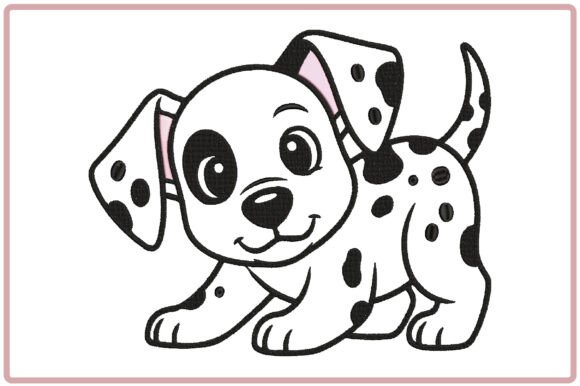
When I first loaded the Sleeping Puppy Line Embroidery Design into my software, the aesthetic was immediately clear. It leans heavily into the modern, minimalist trend that has taken over the handmade market. The concept of a sleepy puppy resting gently on a simple line creates an instant emotional connection without being overly busy. Unlike traditional animal designs that might be cluttered with floral backgrounds or complex shading, this design relies on smooth satin stitches and clean outlines to deliver a polished look.
For the savvy Etsy seller or boutique maker, this "less is more" approach is a strategic advantage. It feels soft yet sophisticated, bridging the gap between rustic farmhouse charm and contemporary elegance. The simplicity suggests it will photograph beautifully for online listings, which is crucial for digital sellers who rely on printable mockup quality to drive traffic. However, the real test is how it translates from the screen to the physical fabric under the harsh lights of a craft fair tent.
Product Versatility: Where Does It Shine?
The true value of any digital embroidery file lies in its adaptability across different product categories. I tested the Sleeping Puppy Line Embroidery Design mentally against my inventory list to see where it would perform best as a craft fair product.
- Tote Bags and Market Bags: This design is a natural fit for canvas tote bags. The simple line motif works exceptionally well as a tote bag design placed near the bottom hem or centered on the front. It adds a touch of personality without overwhelming the utility of the bag. Customers often gravitate toward these subtle, meaningful accents when shopping for eco-friendly carryalls.
- Kitchen Textiles: For apron embroidery and tea towel embroidery, the sleeping puppy theme hits the sweet spot of homey comfort. Imagine this stitched onto a linen apron; it instantly communicates warmth and care. Similarly, on a cotton tea towel, the clean lines prevent the fabric texture from competing with the stitching, ensuring the image remains crisp.
- Embroidered Patches and Caps: While the design is delicate, it holds up surprisingly well as an embroidered patch. On a denim cap, the contrast of the satin stitches against the twill fabric creates a premium feel. However, one must be cautious with the curve of the cap surface, as we will discuss later.
- Pillow Covers and Small Pouches: As a focal point on a small pillow cover or a fabric pouch, the design elevates the item from a generic gift to a curated handmade product. It appeals to pet lovers looking for something tasteful rather than cartoonish.
Production Realities: Stitch Density and Fabric Texture
While the design looks beautiful on the monitor, practical production requires a critical eye. The description highlights "smooth satin stitches," which are visually appealing but can be tricky depending on the stitch density and the base material. Satin stitches require precise tension; if the density is too high on a thick fabric like a heavy canvas tote, the thread may pucker. Conversely, on a thin, textured towel, the stitches might sink in slightly, losing some definition.
I strongly advise every small shop product creator to test this design on scrap fabric before committing to batch production. You need to verify that the hoop size accommodates the design comfortably without distorting the "simple line" element. If the hoop is too tight, the line might bow, ruining the minimalist aesthetic. Additionally, check your thread colors against the fabric. A light gray thread on a white towel might vanish, whereas a soft navy on cream linen would pop beautifully.
Another critical factor is the use of a proper stabilizer. Because the design relies on clean outlines, any shifting of the fabric during stitching will result in jagged edges. A cut-away stabilizer is likely necessary for stretchy fabrics like jersey caps, while a tear-away might suffice for stable cottons. Never skip this step if you want your finished product to look professional.
Selling Strategy: Visual Appeal and Customer Engagement
In the competitive world of commercial embroidery, customer attention spans are short. The Sleeping Puppy Line Embroidery Design succeeds because it is easy to understand at a glance. A shopper walking past your booth doesn't need to squint to figure out what they are looking at. The imagery of a sleeping puppy triggers an immediate "aww" response, which is a powerful psychological hook for sales.
This design also offers excellent brand consistency. If your shop focuses on calming, home-centric, or pet-friendly items, this design asset reinforces that identity. It allows you to create a cohesive collection—perhaps matching pillows, towels, and totes—that tells a story. When customers see a unified display, they are more likely to purchase multiple items, increasing your average order value.
However, there are limitations. The design's reliance on fine lines means it may lose clarity if scaled down too much. Do not attempt to stitch this tiny on a keychain or a small button unless you have verified the stitch count allows for such reduction. Tiny details can become muddy blobs if the machine cannot resolve them. Furthermore, avoid using this on very dark fabrics without significant adjustments to the thread color, as the "calm and cozy" vibe depends on visibility.
Final Verdict for the Creative Entrepreneur
After evaluating the Sleeping Puppy Line Embroidery Design through the lens of a seasoned designer preparing for a busy market day, I am confident in its potential. It is a versatile, emotionally resonant design that fits perfectly within the current trends for Animals and home decor. Its minimalist nature makes it suitable for a wide range of applications, from apron embroidery to pillow covers.
To maximize its success, ensure you create at least one real mockup to show customers the tangible quality. Compare fabric colors carefully to maintain the intended mood, and always confirm your commercial licensing terms before selling finished products. By respecting the technical requirements of the embroidery process and leveraging the design's inherent charm, you can turn this simple file into a standout seller at your next event. Whether you are a solo crafter or running a larger operation, this design offers a reliable way to add value and appeal to your product line.