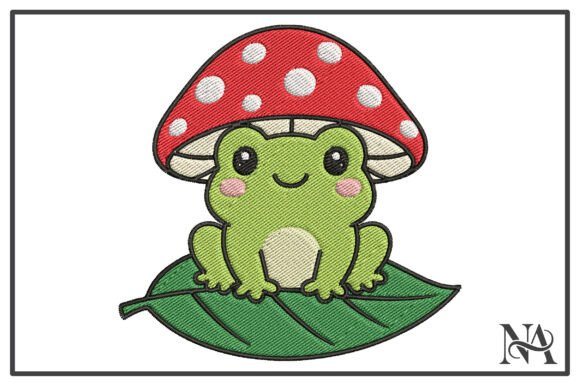
Review: Cute Frog with Mushroom Hat Embroidery
As a designer who has spent countless hours digitizing and testing machine embroidery design files, I have learned that charm alone does not make a viable product. The visual appeal must translate seamlessly into thread. When I first loaded the Cute Frog with Mushroom Hat Embroidery file into my software, my initial reaction was one of genuine delight. It captures that specific, trending cottagecore aesthetic that is currently dominating handmade markets. However, my job is to look past the cute preview image and evaluate how this design behaves under the needle. This review breaks down the practical realities of using this asset in real-world embroidery project scenarios.
First Impressions and Visual Personality
The layout of this design is balanced and approachable. The frog character, topped with a whimsical mushroom hat, creates a silhouette that is instantly recognizable even from a distance. For those of us selling handmade product items, recognizability is key. The design relies heavily on clean lines and distinct color blocks, which suggests it uses a combination of satin stitch for outlines and fill stitch for the broader areas of the mushroom cap and frog body. This mix is crucial because pure fill stitches can sometimes look flat, while satin stitches provide necessary definition. The mood is playful yet serene, making it versatile enough for both children’s items and adult home decor.
Real-World Application: The Tote Bag Test
To truly understand the value of an embroidery file, you must imagine it on a physical object. I recently considered this design for a custom order involving canvas tote bags. Canvas is a sturdy fabric, but it has a visible weave. I needed to ensure that the details of the frog’s face would not get lost in the texture. Upon closer inspection of the digitizing, the spacing between the stitches appears tight enough to prevent the background fabric from showing through excessively, provided the correct stabilizer is used. This makes it an excellent candidate for a tote bag design that needs to withstand daily use without losing its structural integrity.
Beyond totes, this design shines in custom apparel. Imagine this stitched onto the left chest of a heavyweight sweatshirt. The sweatshirt embroidery market is saturated with generic text, so a unique graphic like this adds significant perceived value. It transforms a basic garment into a boutique piece. Similarly, for baby embroidery, the soft curves and lack of aggressive sharp points make it safe and appealing for onesies or burp cloths, assuming the thread colors are chosen with sensitivity to infant aesthetics.
Navigating Fabric and Hoop Constraints
While the design is robust, it is not without its limitations. One must be cautious when applying this to stretchy fabrics or curved surfaces like caps. If you are creating an embroidered patch to sew on later, you have more control over the final look. However, direct-to-garment stitching on a curved cap requires careful hooping. The width of the mushroom hat might push the limits of smaller hoops. Always confirm the actual dimensions of the hoop size required before starting. If the design is too wide for a 4x4 hoop, you may need to resize it, which can affect stitch density and clarity.
Fabric texture also plays a pivotal role. On thin or slippery fabrics, the density of the fill stitches could cause puckering if not properly supported. I recommend using a cut-away stabilizer for garments that will be washed frequently, such as holiday embroidery gifts or everyday wear. For decorative items like pillow covers that see less abrasion, a tear-away might suffice, but testing is non-negotiable. Always stitch out a test on scrap fabric that matches your final project material. This simple step saves hours of frustration and prevents wasted materials.
Commercial Viability for Etsy Sellers and Crafters
For the Etsy seller or small shop owner, this design offers strong commercial potential. The Bugs category in embroidery is perennially popular, and frogs specifically have seen a resurgence in popularity. This design fits neatly into that niche while offering a unique twist with the mushroom element. It allows for creative thread colors experimentation. You are not locked into green and red; a pastel palette could create a spring-themed item, while earth tones fit the autumnal cottagecore vibe. This versatility means you can create multiple small shop product listings from a single digital embroidery file.
When creating printable mockup images for your online store, ensure the lighting highlights the texture of the stitches. Buyers of design assets and finished goods appreciate seeing the tactile quality of the work. This design photographs well because the contrast between the frog and the hat creates natural depth. It enhances brand consistency if your shop focuses on nature-inspired or whimsical themes. Furthermore, as a personalized gift, it pairs beautifully with monograms placed subtly below or beside the main motif, adding a layer of exclusivity that justifies a higher price point.
Technical Considerations and Best Practices
Before committing to a large production run, consider the following technical checks. First, inspect the running stitch underlays. Good digitizing will include proper underlay to anchor the top stitches and prevent shifting. Second, check the connection points between color changes. Poorly planned jumps can leave unsightly threads on the back of the finished product, which is unprofessional for commercial embroidery standards. Trim these carefully or use a machine with automatic trimming if available.
Also, consider the context of appliqué design techniques. While this appears to be a standard fill design, if you were to adapt it for appliqué to reduce stitch count and bulk, ensure the outline is thick enough to cover the raw edges of the fabric. However, as it stands, the current digitizing seems optimized for standard thread coverage. Always verify the license terms associated with the file. Some creators allow unlimited sales of physical items, while others restrict digital redistribution. Confirming this protects your craft business from legal issues.
Final Verdict
The Cute Frog with Mushroom Hat Embroidery is a solid addition to any designer’s library. It balances aesthetic charm with technical feasibility. It is not just a cute image; it is a functional embroidery asset that performs well on stable fabrics and offers enough flexibility for various custom apparel and home decor applications. By paying attention to stabilizer choice, hoop size, and thread contrast, you can produce high-quality items that resonate with customers. Whether you are making a one-off personalized gift or stocking your Etsy seller inventory, this design holds up under scrutiny. Just remember to test, adjust, and stitch with intention.