Highland Cow Bandana Machine Embroidery Review
As I set up my booth for the upcoming weekend craft fair, the table is a chaotic mix of finished goods, half-stitched samples, and fabric swatches. My goal is always to curate a collection that feels cohesive yet offers enough variety to catch the eye of every passerby. Today, I am evaluating the Highland Cow Bandana Machine Embroidery design. This specific machine embroidery design falls squarely into the Farm Animals category, a niche that consistently performs well in handmade markets. The Highland cow has become a cultural icon, blending rustic charm with a touch of whimsy. But does this digital file translate into a profitable craft fair product? Let's break down the real-world application before I commit to a full production run.
First Impressions: Rustic Charm Meets Modern Appeal
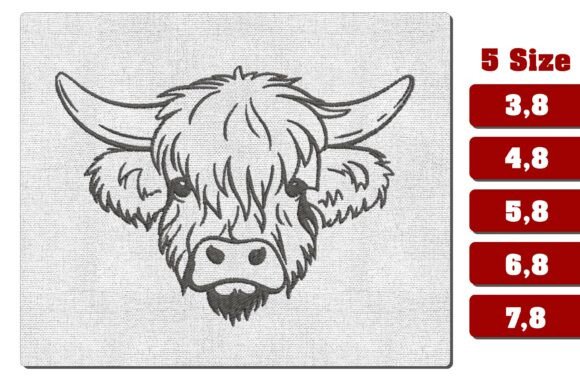
The moment I load the Highland Cow Bandana Machine Embroidery onto my machine screen, the aesthetic is clear. It strikes a balance between bold and cute. The silhouette of the cow, combined with the bandana motif, screams farmhouse chic. It is not overly decorative or fussy; instead, it feels grounded and approachable. For an Etsy seller or a boutique maker, this is crucial. Customers at a market stall often scan items in seconds. They need to understand the theme immediately. This design achieves that instant recognition. It feels less like a generic animal print and more like a statement piece suitable for both a trendy urban apartment and a cozy country home.
The availability of multiple sizes—ranging from 3.8 inches to 7.8 inches—is a significant advantage. In the world of Embroidery, versatility dictates sales volume. A single size limits your product range, but having options allows me to create a tiered display. I can use the smaller sizes for subtle accents on caps or patches and the larger versions as focal points on tote bags or aprons. This flexibility makes the digital embroidery file a high-value asset for any small shop owner looking to maximize their inventory without purchasing ten different designs.
Product Applications: Where It Sells Best
When planning my booth layout, I visualize how the Highland Cow Bandana Machine Embroidery will perform across different substrates. The first item on my list is the canvas tote bag. Using the 6.8-inch or 7.8-inch version, this becomes a standout tote bag design. The texture of the canvas holds the thread beautifully, and the cow's features remain crisp even from a distance. These bags are easy to produce in batches, making them perfect for quick turnover during a busy Saturday morning rush.
Next, I am considering kitchen linens. A linen tea towel with the 4.8-inch version of the design would be adorable. The tea towel embroidery adds a tactile element that elevates a simple kitchen accessory into a giftable handmade product. Similarly, apron embroidery using the medium sizes offers a practical yet stylish option for home cooks who love farm aesthetics. The bandana element adds a pop of color that contrasts nicely against neutral apron fabrics like beige, cream, or soft sage green.
For those interested in accessories, the 3.8-inch and 4.8-inch sizes are ideal for creating an embroidered patch. These can be sewn onto denim jackets, backpacks, or even hats. However, when applying the design to curved surfaces like baseball caps, one must be cautious. The density of the stitch might cause puckering if the stabilizer isn't chosen correctly. Still, a cap with a small Highland cow emblem is a strong seller for younger demographics or as a fun gift item.
I also plan to test this on pillow covers. The larger sizes work wonderfully here, turning a plain throw pillow into a conversation starter. For the tech-savvy Etsy seller, these physical mockups are essential. Creating a printable mockup for online listings requires seeing how the design sits on the actual fabric. The way light hits the thread on a textured pillow cover versus a smooth tote bag changes the perception of value significantly.
Production Practicalities and Technical Considerations
While the visual appeal is high, the success of any commercial embroidery project hinges on execution. As I prepare to hoop the fabric, I remind myself to check the stitch density carefully. Designs featuring animals often have dense areas where fur is simulated. If the density is too high, the fabric may pucker, especially on thinner materials like tea towels. Conversely, if it is too sparse, the design may look unfinished. I will run a test on scrap fabric first to ensure the tension is balanced.
Another critical factor is the hoop size. Since the design comes in sizes up to 7.8 inches, I must confirm my machine's maximum hoop capacity. Attempting to stitch a large design in a hoop that is too small can lead to registration errors and distorted lines. Always verify the required hoop dimensions before starting a batch. Additionally, the choice of thread colors will make or break the final look. While black and white are classic, adding a splash of red or blue for the bandana can draw the customer's eye instantly. High contrast is key for visibility on a crowded craft fair table.
One area requiring careful attention is the fabric texture. Textured towels or thick canvas require a heavier duty stabilizer to prevent shifting during stitching. Without proper backing, the intricate details of the cow's face could blur. For dark fabrics, a cutaway stabilizer is non-negotiable to support the weight of the thread. I also advise checking the smallest available size (3.8 inches) closely. Sometimes, tiny details get lost when scaled down. If the eyes or the bandana pattern become indistinguishable, it is better to skip the smallest size for that particular product type.
Maximizing Sales and Brand Consistency
Incorporating the Highland Cow Bandana Machine Embroidery into my product line enhances my brand's consistency. By using the same motif across various items—totes, towels, patches—I create a recognizable "look" for my booth. This repetition builds trust and familiarity with customers. When they see the cow on a pillow, they immediately associate it with the quality of the tote bags nearby.
From a marketing perspective, this design photographs exceptionally well. The distinct shape of the Highland cow stands out in social media posts and online galleries. For the digital seller, this means higher engagement rates on platforms like Instagram and Pinterest. A well-lit photo of a finished product with this embroidery tells a story of craftsmanship and style. It invites the viewer to imagine the item in their own home.
Before launching any small shop product line, it is imperative to review the licensing terms. Ensure you have the right to sell finished goods made from this embroidery file. Most designers offer commercial licenses, but the specifics vary. Never assume; always confirm that you are permitted to sell items created with this design assets package. This protects your business and respects the original creator's work.
Final Verdict for the Creative Entrepreneur
After reviewing the Highland Cow Bandana Machine Embroidery through the lens of a seasoned designer and vendor, the verdict is positive. It is a versatile, visually appealing, and commercially viable design. Its ability to scale from small accents to large focal points makes it a staple for any farm animal themed collection. Whether you are selling at a local craft fair, running an Etsy shop, or producing wholesale for boutiques, this design offers a solid return on investment.
Just remember the golden rules of production: test on scraps, choose the right stabilizer, and prioritize thread contrast. With these precautions, the Highland Cow Bandana Machine Embroidery will undoubtedly become a bestseller in your lineup. It captures the current trend perfectly while offering the timeless quality that handmade buyers seek. Now, it is time to hoist the hoop and start stitching.