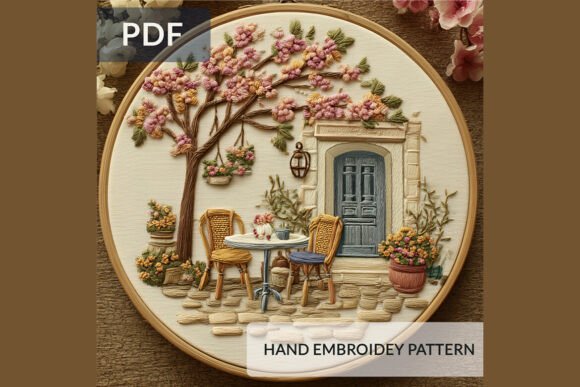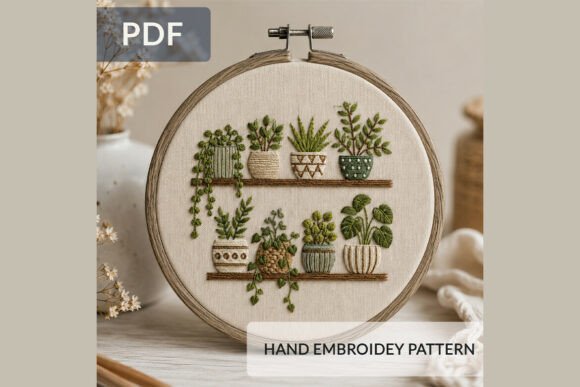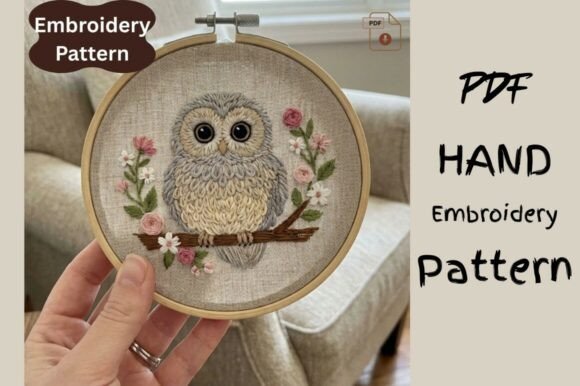
Hand Embroidery Pattern PDF Review
As a professional embroidery designer who has spent years translating digital concepts into tangible threads, I approach every new Hand Embroidery Pattern PDF with a critical eye. My goal is not just to see if a design looks pretty on a screen, but to determine if it can withstand the rigors of commercial production. When small business owners, apparel decorators, and handmade brands reach out for advice on branded merchandise, they need assets that elevate their brand identity rather than dilute it. This review evaluates the utility of this specific digital file for real-world applications like staff uniforms, custom patches, and boutique packaging.
First Impressions: Professionalism Meets Handmade Charm
The moment I opened the Hand Embroidery Pattern PDF, the intent was clear. Unlike complex vector files meant for high-speed industrial machines, this pattern leans heavily into the aesthetic of traditional craftsmanship. The description confirms this is a DIGITAL DOWNLOAD ONLY, providing one A4-sized PDF. For a creative studio or a local bakery looking for a rustic yet polished look, this format suggests a design rooted in the tactile world of hand stitching. It feels less like a generic clip art and more like a curated asset for those wanting to inject soul into their products.
In the context of Graphics and Hand Embroidery Patterns, this file strikes a balance between playful and elegant. It does not scream "corporate logo" in a stiff way; instead, it whispers "handmade quality." This distinction is vital for Etsy sellers and crafters whose customers pay a premium for authenticity. If your brand relies on a friendly, approachable vibe, this design language aligns perfectly. However, if you are aiming for a sleek, minimalist tech aesthetic, you may find the organic lines too decorative.
Performance in Real Business Applications
How does this Hand Embroidery Pattern PDF translate from paper to product? In my experience, the versatility of such designs lies in their adaptability across various mediums. Let's break down where this asset shines in a commercial setting.
- Embroidered Patches: This is arguably the strongest use case. The design works beautifully as a standalone patch for denim jackets, tote bags, or backpacks. Because the pattern is designed for hand embroidery, the lines often have a natural flow that translates well to machine satin stitches when digitized correctly. These patches become instant small business merch that customers love to collect.
- Staff Uniforms and Aprons: For a café or florist, an apron embroidery detail adds a layer of professionalism without the stiffness of a large corporate logo. Placing this design on the chest pocket or the bib of an apron creates a cohesive team look. It signals to the customer that attention to detail is part of the service.
- Cap Embroidery: While caps require careful scaling, the motifs within this PDF can be adapted for the front panel of a baseball cap. It offers a subtle branding element that is far more engaging than standard block text.
- Tote Bag Design: As tote bag design trends continue to favor unique, artistic prints, using this pattern as a central motif on canvas totes provides a high-perceived value. It turns a simple carrier into a statement piece for a boutique or event giveaway.
- Product Packaging Accents: Imagine a small leather label or a fabric tag attached to a handmade soap or candle, embroidered with this pattern. It elevates the unboxing experience and reinforces the handmade product narrative.
Critical Considerations for Production
While the potential is high, a seasoned designer knows that not every design fits every surface. There are specific scenarios where the Hand Embroidery Pattern PDF requires caution. First, consider the scale. If you attempt to shrink this design for a tiny collar patch, intricate details may get lost, leading to a muddy appearance. Always test the design at the intended size before committing to a bulk run.
Second, be mindful of stitch density. Hand embroidery patterns often rely on open spaces and varied line weights. When converting these to a machine embroidery design, you must ensure the digitizer does not overfill areas that should remain breathable. High stitch density on textured fabric, like heavy wool or thick canvas, can cause puckering. Additionally, if you plan to use this on dark uniforms, the contrast of the thread colors becomes paramount. A light thread on a dark background needs a solid underlay to prevent the fabric color from bleeding through the stitches.
Another area of concern is curved surfaces. If applying this to a rounded cap brim or a cylindrical water bottle, the flat nature of the PDF design might distort unless the digitization process accounts for the curvature. Finally, items that undergo frequent washing, such as work shirts, demand durable stitching. Ensure the hoop size allows for proper tension and that a high-quality stabilizer is used to anchor the threads against the stress of laundering.
Impact on Brand Identity and Customer Trust
The choice of design assets directly influences how a customer perceives your brand. Using a Hand Embroidery Pattern PDF strategically can significantly boost customer trust and recognition. When clients see a consistent, high-quality embroidered detail on your custom apparel or product tags, it communicates stability and care. It moves your brand away from the "mass-produced" category and into the realm of artisanal excellence.
This visual consistency is key for commercial embroidery projects. Whether it is a sleeve detail on a server's shirt or a logo on a gift bag, the design acts as a silent ambassador. It tells a story of heritage and quality. For handmade brands, this is crucial. It validates the price point by showing that even the smallest details are considered. Furthermore, offering limited edition items featuring this pattern can drive buyer engagement, creating a sense of exclusivity around your finished product.
Practical Designer Notes for Implementation
If you are ready to integrate this Hand Embroidery Pattern PDF into your business workflow, follow these practical steps to ensure success:
- Test in Black and White: Before selecting vibrant thread colors, print the design in grayscale. This helps you evaluate the contrast and visibility of the lines without the distraction of hue.
- Check Small Patch Viability: Print the design at the exact size you intend to embroider. Can you still read the details? If not, simplify the elements or increase the scale.
- Inspect Spacing and Hoop Size: Measure the design dimensions against your available hoop sizes. Ensure there is enough room for the stabilizer and that the design will not shift during stitching.
- Test on Real Fabric: Never skip the swatch test. Stitch the design on the actual material you plan to use. Check for puckering, thread breakage, and how the texture interacts with the stitches.
- Create a Printable Mockup: Use a printable mockup to show clients or stakeholders what the final product will look like. This manages expectations and streamlines the approval process.
- Verify Licensing: Since this is a digital embroidery file, confirm the commercial licensing terms. The description notes it is a download, but you must ensure you have the right to use it for small business merch and resale.
In conclusion, the Hand Embroidery Pattern PDF offers a compelling option for businesses seeking to add a touch of elegance and authenticity to their offerings. By understanding its strengths in patch creation, uniform detailing, and branding, and by adhering to strict production standards, you can transform a simple digital file into a powerful tool for your brand's growth. Remember, the best embroidery is not just about the thread; it is about the story the design tells your customer.